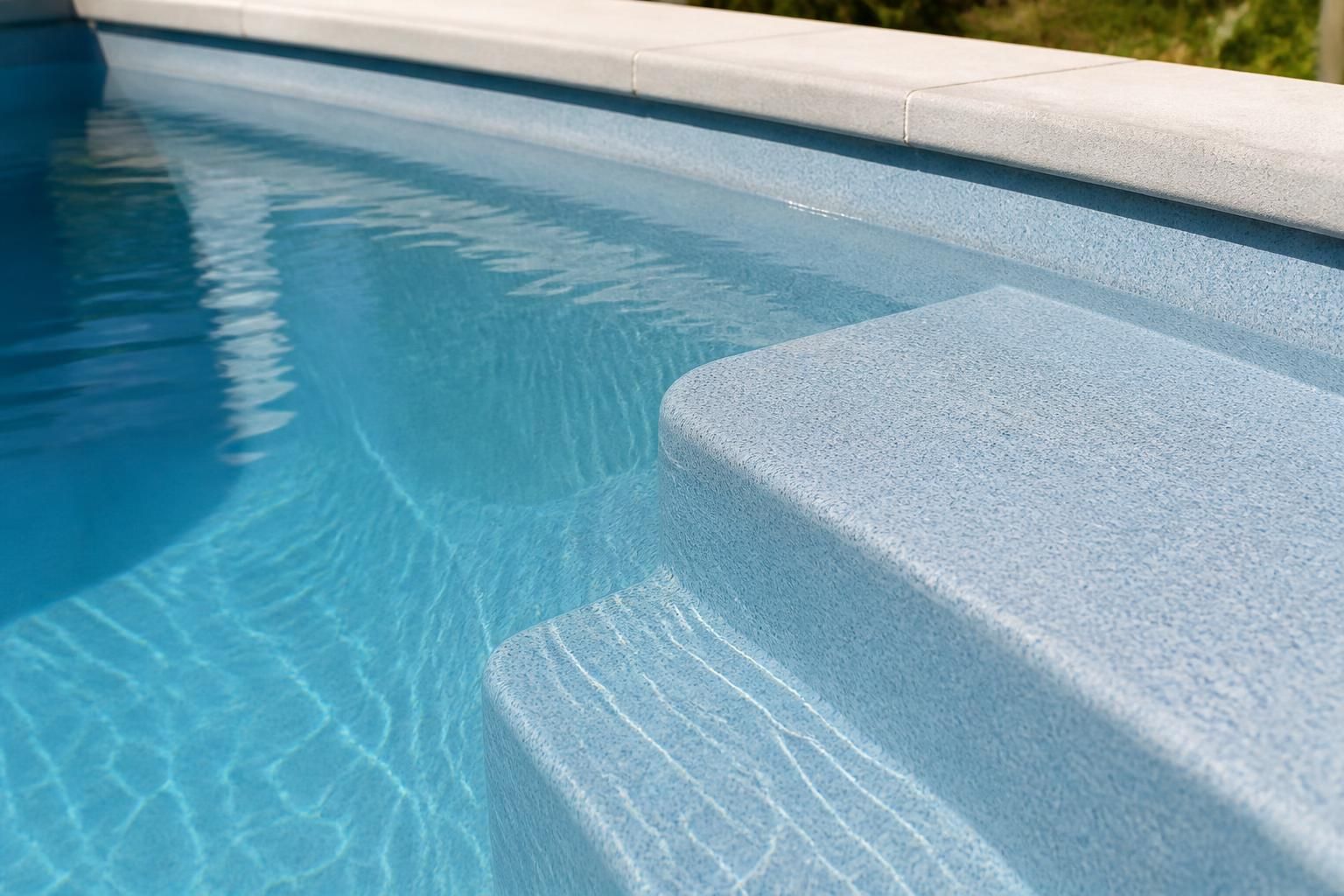
Pool Resurfacing
Restore a worn pool surface with smooth, lasting resurfacing for Scottsdale homeowners.
Restore a worn pool surface with smooth, lasting resurfacing for Scottsdale homeowners.
If your pool surface feels rough, looks stained, or keeps shedding material into the water, resurfacing may be the next practical step. Those changes can turn every swim into a reminder that the finish has worn down and needs attention.
Lisbon Pool Care helps homeowners in Scottsdale, AZ replace tired surfaces with a cleaner, more comfortable finish. We look at the condition of the pool, talk through what you are seeing, and help you plan resurfacing before small wear turns into bigger damage.
A pool surface rarely fails all at once. Most homeowners notice a mix of visual changes and feel changes before they decide to resurface. These signs can show up slowly, then become hard to ignore.
Lisbon Pool Care can assess whether the finish is worn enough for resurfacing or whether another pool service may be the better first step. If the surface is still structurally sound, resurfacing can give you a cleaner look and a more comfortable swim area without changing the pool you already have.
Pool resurfacing is about more than appearance. It helps replace a damaged finish that no longer feels smooth or easy to maintain. A fresh surface can make routine care simpler and help the pool feel inviting again.
Rough finishes can scrape feet, snag swimsuits, and make steps unpleasant to use. Resurfacing replaces that worn texture with a new finish that feels better underfoot.
Older surfaces often hold stains and discoloration that cleaning alone cannot remove. A new surface gives the pool a uniform appearance and reduces the look of patchy wear.
When the surface is no longer shedding material or holding onto buildup, day-to-day cleaning becomes easier. That matters for homeowners who want a pool that stays presentable with less frustration.
Resurfacing needs a clear sequence so the finished pool looks consistent and holds up to regular use. We keep the process organized and straightforward so you know what is happening next.
We start by looking at the existing finish, noting rough areas, staining, cracks, and spots that may need extra attention.
The pool is prepared for the new finish by removing the old worn surface as needed and getting the shell ready for the resurfacing work.
Once the surface is ready, we apply the new finish so the pool gets a fresh, even layer across the interior.
After the work is complete, we review the result and discuss the next care steps so the surface gets off to a solid start.
Lisbon Pool Care keeps homeowners informed through each stage so there are no surprises about what the project requires or what comes next.
Not every resurfacing job needs the same solution. The right finish depends on the pool’s current condition, how the surface has worn, and the look you want to achieve.
Some finishes feel smoother, while others create a firmer texture underfoot. We help you think through how the pool is used, especially if children, guests, or frequent swimmers rely on the steps and shallow areas.
Color and overall look shape how a pool fits the rest of the yard. If the current finish looks uneven or faded, resurfacing can create a more balanced appearance.
When a surface has deeper wear, pitting, or cracking, the finish choice should match the pool’s needs rather than chase a cosmetic fix alone. That is why a careful review matters before work begins.
Some pool owners wait until the finish becomes very rough or visibly damaged, but earlier attention can make the project more manageable. If your pool has started to show several signs at once, it may be time to take action.
Common reasons to schedule resurfacing:
For Scottsdale homeowners, resurfacing can be a smart response when the pool still gets used often but the finish has lost its smoothness and visual appeal. Lisbon Pool Care can help you judge whether the time is right based on what your pool is showing now.
A new surface needs careful attention early on so it settles well and keeps its clean appearance. The first phase after resurfacing is when simple habits matter most.
New finishes should not be treated the same way as older, settled surfaces. Brushing, water balance, and regular attention should be handled with care so the finish has the right start.
Water that is left unattended for too long can affect how the new surface ages. Routine checks help protect the finish and keep the pool ready for use.
Once the surface is established, weekly cleaning helps reduce buildup and keeps the new finish looking its best. For many homeowners, resurfacing and weekly pool cleaning work hand in hand.
Pool resurfacing is often requested after a homeowner has already tried cleaning, patching, or ignoring the wear for a while. By the time people call, they usually want a clear answer and a straightforward plan.
Lisbon Pool Care works with Scottsdale, AZ homeowners who want the pool to feel comfortable again and look consistent across the entire surface. We also handle related services such as pool inspections, pump and filter replacement, equipment repair, and green pool cleanup, which helps us look at the pool as a whole when resurfacing is part of the plan.
If you have been seeing stains, roughness, or visible surface breakdown, resurfacing can bring the pool back to a cleaner state that is easier to enjoy and maintain.
If the pool feels rough, shows persistent stains, or has visible cracking or flaking, resurfacing may be the right next step. A review of the surface helps confirm whether the finish is worn enough to replace.
Yes. One of the most immediate changes is the feel of the surface. A new finish can remove the rough texture that makes steps, benches, and shallow areas uncomfortable.
It usually does. A new finish can refresh the color, reduce patchiness, and give the pool a more uniform appearance across the interior.
The early care period matters most. The surface should be watched closely, brushed as needed, and kept on a regular cleaning routine so it settles well.
Sometimes the visible damage is only part of the story. We look at the full surface so the result blends well and addresses the worn areas that matter most.
Yes. We work with homeowners to review the condition of the pool, discuss timing, and plan the project around how the pool is used at home.
If your pool surface has become rough, stained, or worn down, Lisbon Pool Care can help you decide whether resurfacing is the right move. We serve Scottsdale, AZ and nearby areas including Phoenix, Tempe, Paradise Valley, Mesa, and Chandler.
Reach out at hello@lisbonpoolcare.example or call +14805550126 to talk through your pool’s condition and get a clear next step. When the finish has seen better days, a fresh surface can make the whole pool feel usable again.
Send us a few details about your pool and we’ll follow up with the next best step for service, repair, or cleanup.